
The Difference Between Apps That Help You and Apps That Use You
B
By Brett Crane on July 1, 2026
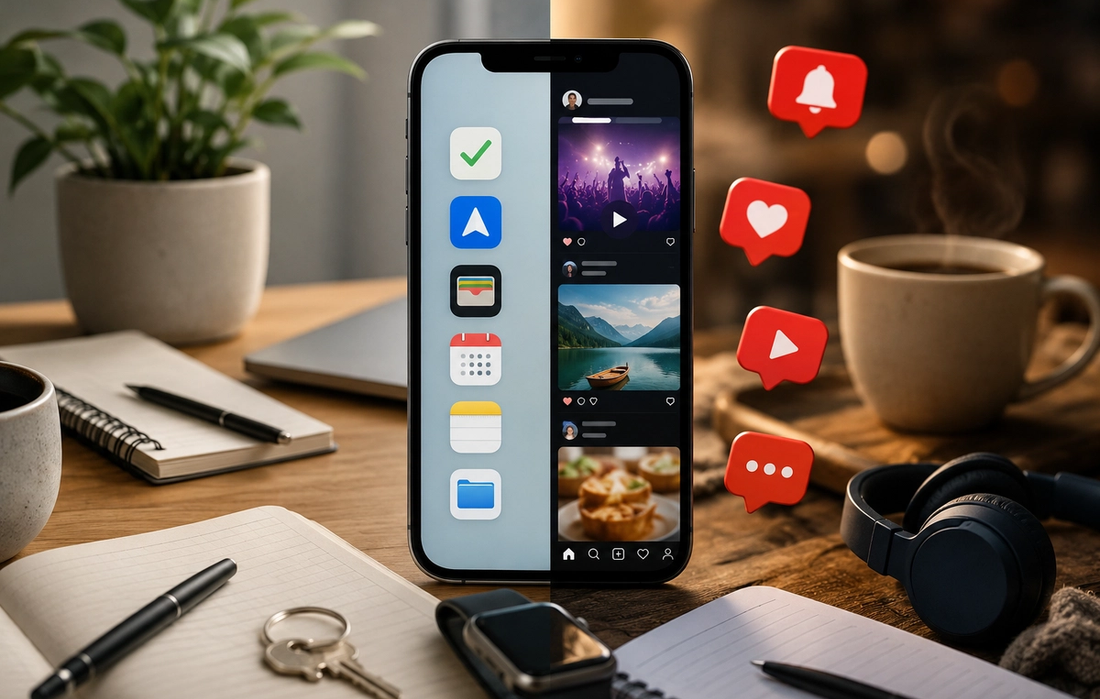
The average person uses dozens of apps every week. Some help us navigate unfamiliar places, manage our finances, learn new skills, communicate with loved ones, or stay organized. Others provide entertainment, inspiration, and a welcome escape after a busy day. There’s no question that apps have transformed the way we live, making many everyday tasks faster and more convenient.
But not every app is designed with the same goal in mind.
Some are built to help you complete a task as efficiently as possible. Others are designed to keep you engaged for as long as they can. The difference isn’t always obvious because both types of apps can look polished, enjoyable, and easy to use. The key distinction lies in what happens after you open them. Do you accomplish what you intended and move on, or do you find yourself scrolling long after you’ve forgotten why you picked up your phone in the first place?
Understanding that difference can help you build a healthier relationship with technology without giving it up altogether.
Helpful apps solve problems efficiently
The best apps usually have a clear purpose. You open them because you want to achieve something specific, and once you’ve done that, there’s little reason to stay.
Think about apps that help you check your bank balance, book a train ticket, edit a document, navigate to a destination, or organize your calendar. They remove friction from everyday life by making tasks quicker and simpler. Their success comes from helping you accomplish something—not from keeping you inside the app for as long as possible.
These apps respect your time. They provide what you need, allow you to complete your task, and let you get back to the rest of your day.
Some apps are designed to compete for your attention
Other apps operate very differently.
Instead of helping you complete a task, they encourage you to keep interacting. Endless scrolling, autoplay videos, personalized recommendations, notifications, streaks, and constantly refreshing content are all designed to reduce the number of moments where you might naturally decide to stop.
There’s nothing inherently wrong with entertainment or social media. These platforms can be enjoyable, informative, and genuinely valuable. The issue arises when you stop making conscious choices about how you use them.
If you’ve ever unlocked your phone to send one message and found yourself still scrolling twenty minutes later, you’ve experienced how powerful attention-driven design can be.
Pay attention to how an app makes you feel
One simple way to evaluate an app is to notice how you feel after using it.
Some apps leave you feeling accomplished because you’ve learned something, completed a task, organized your day, or connected meaningfully with someone. Others leave you wondering where the last half hour went.
Neither productivity nor entertainment is inherently better than the other. Watching a funny video or chatting with friends can be a great way to relax. The important question is whether your experience matches your intention.
If you opened an app hoping to spend ten enjoyable minutes there and that’s exactly what happened, the app served you well. If you repeatedly leave feeling distracted or frustrated, it may be worth asking whether the app is serving your interests—or its own.
Notifications deserve a closer look
Notifications are one of the biggest factors influencing how often we use our phones.
Some are genuinely useful. A reminder about an upcoming appointment, a message from a family member, or a banking alert can help you stay informed and organized.
Others exist mainly to encourage you to reopen an app. Notifications about trending posts, suggested content, shopping offers, or “memories” are rarely urgent, but they can successfully tempt you back into scrolling.
Taking a few minutes to disable non-essential notifications is one of the easiest ways to regain control of your attention. Instead of reacting every time your phone lights up, you’ll begin choosing when you want to engage.
Follow the business model
A helpful question to ask is: How does this app make money?
Some apps charge a subscription fee, while others rely primarily on advertising. If an app earns money through advertising, its success often depends on how much time users spend inside it and how often they return.
This doesn’t automatically make the app harmful, but it helps explain why certain features exist. Endless feeds, personalized recommendations, and engagement notifications aren’t accidents—they’re often part of the product’s design.
Understanding the business model allows you to recognize why an app behaves the way it does and helps you make more intentional decisions about your own usage.
Choose technology that supports your priorities
The healthiest relationship with technology isn’t about deleting every distracting app or avoiding entertainment altogether. It’s about making sure your digital habits reflect what matters most to you.
If learning a language, exercising, reading, or improving your finances is important, choose apps that support those goals. If you enjoy social media or gaming, there’s nothing wrong with making time for them—as long as you’re deciding when and how to engage rather than simply responding to every notification.
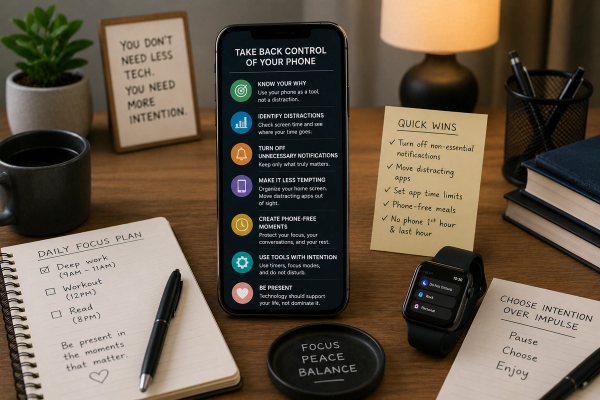
Small changes can make a surprisingly big difference. Moving distracting apps off your home screen, setting app time limits, or creating screen-free periods during the day can help ensure your phone remains a useful tool instead of a constant distraction.
The best technology works quietly
Perhaps the biggest difference between helpful apps and attention-driven apps is that the best technology often disappears into the background.
A good navigation app gets you where you need to go and then quietly steps aside. A calendar reminds you about an important meeting and doesn’t ask for anything more. A note-taking app stores your ideas without demanding your attention throughout the day.
These tools improve your life without constantly competing for it.
Make your phone work for you
Apps have changed how we communicate, learn, work, shop, and entertain ourselves. Many genuinely improve our lives, and there’s no reason to avoid technology altogether.
The goal is simply to be more intentional about the role it plays. By recognizing the difference between apps that help you accomplish your goals and those designed primarily to capture your attention, you can make better choices about where your time goes.
Your attention is one of your most valuable resources. The best apps respect that. They help you do what you came to do, then let you get back to living your life.
At the end of the day, technology should be a tool that supports your priorities—not something that quietly replaces them.

AI
How AI Actually Works (No Math Required)

How to Spot AI-Generated Content Even When It’s Good

The Real Difference Between AI, Machine Learning, and Deep Learning

How to Prompt AI Like a Pro






Read More

Why the World Feels Faster Than Ever (And What to Do About It)
Astrid Jensen|
Why Some People Notice More Than Others
Joel Anderson|

Why the Slow Things Are Quietly Winning
Brett Crane|
How to Spend Less Without Feeling Deprived
Joel Anderson|

How to Spend a Sunday Like You Mean It
Brett Crane|
The Inventions That Changed How We Live (And Why)
Karina Leon|