
The Skills That Pay You More for the Rest of Your Life
B
By Brett Crane on July 2, 2026
When people think about earning more money, they often focus on finding a better job, asking for a promotion, or changing industries. While those decisions can certainly increase your income, they usually have one thing in common: they depend on the skills you bring with you.
The highest earners aren’t simply people who work the longest hours or have the most impressive job titles. More often, they’re individuals who have developed abilities that remain valuable regardless of where they work. These are transferable skills—qualities that can open new opportunities, increase your earning potential, and continue creating value throughout your entire career.
The best part is that many of these skills can be learned. They don’t require extraordinary talent or the perfect educational background. They simply require consistent practice and a willingness to keep improving.
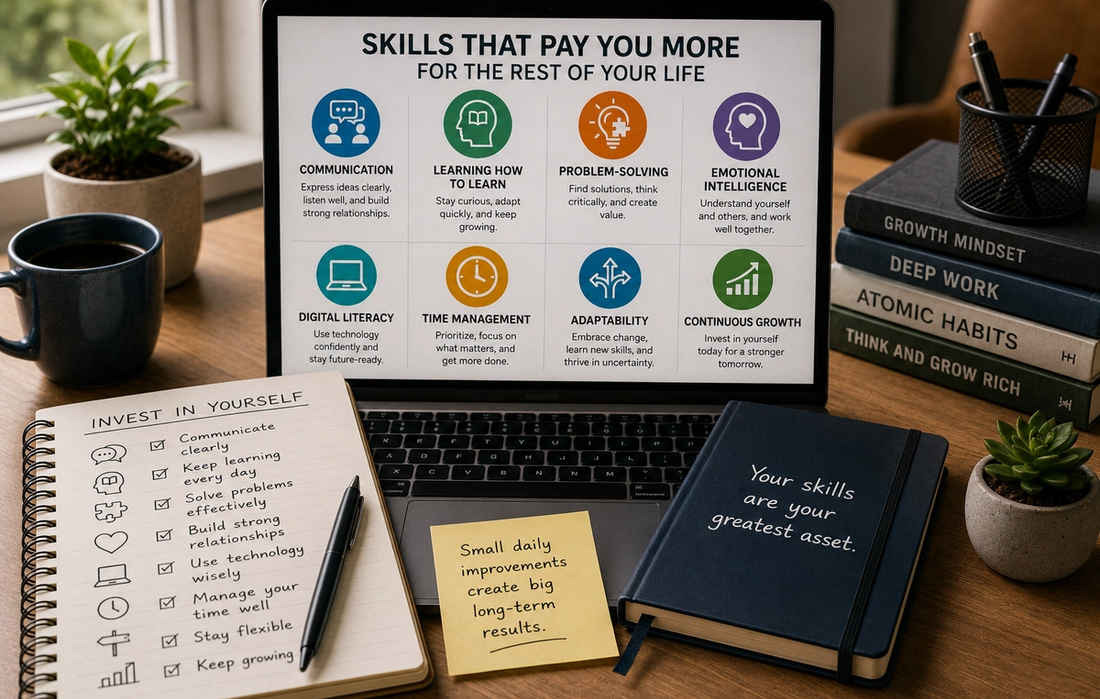
Communication is one of the most valuable skills you can develop
Almost every profession relies on communication.
Whether you’re writing emails, leading meetings, giving presentations, negotiating with clients, or explaining complex ideas to colleagues, your ability to communicate clearly has a direct impact on your professional success.
People who communicate well tend to build stronger relationships, solve problems more efficiently, and earn the trust of managers, customers, and coworkers. They can explain their ideas with confidence, listen carefully to others, and adapt their message depending on the audience.
Communication isn’t just about speaking confidently. It’s also about writing clearly, asking thoughtful questions, and understanding how to collaborate effectively with different personalities.
Because every industry depends on these abilities, communication remains one of the highest-value career skills you can invest in.
Learning how to learn gives you a lifelong advantage
Technology, industries, and workplaces are changing faster than ever. Skills that were highly valuable ten years ago may become less relevant over time, while entirely new roles continue to emerge.
The people who adapt most successfully aren’t necessarily those who know the most today—they’re the ones who know how to keep learning.
Developing the habit of reading, taking courses, experimenting with new tools, and staying curious allows you to remain valuable even as your industry evolves. Instead of fearing change, lifelong learners see it as an opportunity to grow.
In many careers, your ability to learn quickly becomes just as important as the knowledge you already have.
Problem-solving makes you indispensable
Every organization faces challenges. Processes break down, customers encounter problems, projects fall behind schedule, and unexpected situations arise.
Employees who simply identify problems are useful. Those who can solve them are far more valuable.
Strong problem-solvers stay calm under pressure, gather information before making decisions, and focus on practical solutions rather than assigning blame. They understand how to break complex situations into manageable steps and are willing to adapt when circumstances change.
The more people trust you to solve difficult problems, the more opportunities you’ll often receive to lead projects and take on greater responsibility.
Emotional intelligence improves every career
Technical expertise may help you get hired, but emotional intelligence often determines how far you progress.
This skill includes understanding your own emotions, recognizing how others feel, managing conflict professionally, and building positive working relationships.
People with high emotional intelligence tend to communicate more effectively, handle criticism constructively, and collaborate well with diverse teams. They’re also more likely to earn trust because they know how to listen, empathize, and respond thoughtfully rather than emotionally.
As workplaces become increasingly collaborative, emotional intelligence continues to grow in importance across almost every profession.
Digital literacy is no longer optional
You don’t need to become a software engineer to benefit from strong digital skills.
Today’s workplace relies on technology for communication, collaboration, research, data analysis, project management, and increasingly, artificial intelligence. Understanding how to use digital tools efficiently can save time, improve productivity, and make you more adaptable as new technologies emerge.
Being comfortable with spreadsheets, cloud-based collaboration tools, AI assistants, presentation software, and online research is becoming a baseline expectation in many industries.
Those who embrace new technology rather than avoiding it are often better positioned for future opportunities.
Time management creates long-term success
Everyone has the same twenty-four hours in a day, but not everyone uses them equally well.
People who consistently meet deadlines, prioritize important work, and avoid unnecessary distractions tend to earn greater trust from employers and clients. They become known as reliable professionals who can manage responsibility without constant supervision.
Effective time management isn’t about being busy all the time. It’s about focusing on high-impact work while protecting time for rest, learning, and personal life.
Over an entire career, those small daily choices compound into significant professional advantages.
Adaptability is becoming one of the most valuable skills
The modern workplace changes constantly. New technologies appear, industries evolve, businesses restructure, and economic conditions shift.
People who can adapt without becoming overwhelmed are often the ones who continue growing regardless of external circumstances.
Adaptability means being willing to learn new skills, embrace different ways of working, and remain open to change even when it feels uncomfortable.
Instead of viewing change as a threat, adaptable people see it as an opportunity to develop new strengths and stay relevant.
Invest in skills that continue paying dividends
Unlike many possessions, skills don’t lose value simply because you use them. In fact, they often become more valuable over time.
Every presentation you deliver improves your communication. Every challenge you solve strengthens your judgment. Every new technology you learn expands your opportunities.
These improvements may seem small from day to day, but over the course of years they compound into higher confidence, better career prospects, stronger professional relationships, and greater earning potential.
That’s why investing in yourself is often one of the best financial decisions you can make.
Your greatest asset is your ability to grow
Careers rarely follow a perfectly straight path. Jobs change, industries evolve, and new opportunities appear when we least expect them.
The people who continue succeeding aren’t necessarily those with the most impressive qualifications or the highest starting salaries. More often, they’re the ones who never stop developing the skills that make them valuable wherever they go.
Communication, problem-solving, emotional intelligence, adaptability, digital literacy, and a commitment to lifelong learning are investments that continue paying off long after a single promotion or salary increase.
While trends in the job market will come and go, these abilities remain valuable across industries and throughout every stage of your career. The more you invest in them today, the greater the rewards you’re likely to enjoy for the rest of your working life.

AI
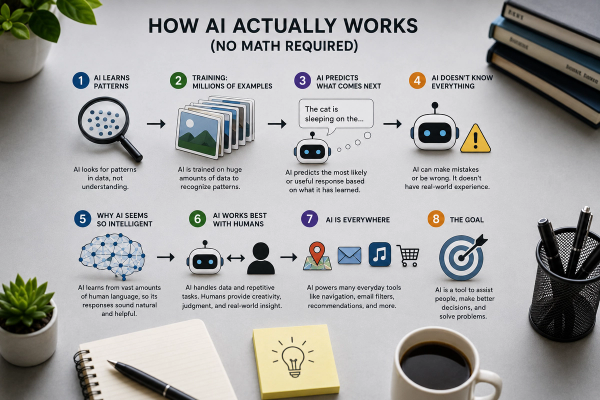
How AI Actually Works (No Math Required)

How to Spot AI-Generated Content Even When It’s Good
The Real Difference Between AI, Machine Learning, and Deep Learning
How to Prompt AI Like a Pro






Read More

Why the World Feels Faster Than Ever (And What to Do About It)
Astrid Jensen|
Why Some People Notice More Than Others
Joel Anderson|

Why the Slow Things Are Quietly Winning
Brett Crane|
How to Spend Less Without Feeling Deprived
Joel Anderson|

How to Spend a Sunday Like You Mean It
Brett Crane|
The Inventions That Changed How We Live (And Why)
Karina Leon|